


Uttarakhand is set to significantly strengthen its tourism and transportation infrastructure with a renewed push toward ropeway development across the state. In a high-level meeting chaired by Chief Secretary Anand Vardhan, the state government identified six priority ropeway projects, while nearly 50 additional proposals are currently under evaluation. The initiative is aimed at improving connectivity to major pilgrimage sites and tourist destinations while promoting sustainable travel in the Himalayan region.
The government’s focus on ropeways comes as part of a broader strategy to make Uttarakhand a year-round tourism destination. Given the state’s challenging mountainous terrain, ropeway systems are being viewed as a safer, faster, and more efficient alternative to traditional road travel, particularly in high-altitude and environmentally sensitive areas.
Steering Committee Formed for Faster Execution
To streamline implementation and reduce delays, the state has constituted a Steering Committee for Ropeway Development. The committee will be responsible for coordinating between departments, expediting approvals, and avoiding duplication of efforts, which had earlier slowed project planning due to multiple agencies preparing separate reports.
All ropeway projects will be executed through a Special Purpose Vehicle (SPV) managed by National Highway Logistics Management Limited. This centralized execution model is expected to ensure professional project management, better coordination, and timely completion of projects.
Priority Routes Focus on Pilgrimage Connectivity
Among the six shortlisted projects, the Sonprayag–Kedarnath and Govindghat–Hemkund Sahib ropeways are considered the most significant. Work orders for these routes have already been issued. Once completed, the ropeways are expected to substantially reduce the physical strain faced by pilgrims, especially senior citizens and people with mobility challenges, who currently undertake long and difficult treks.
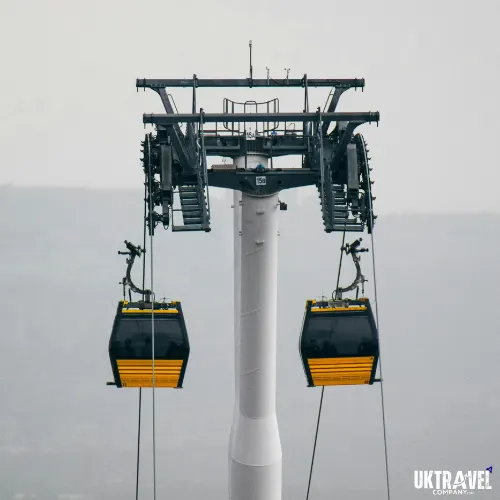
In addition to improved convenience, the ropeways will offer panoramic views of the Himalayas, enhancing the overall pilgrimage experience while ensuring safer travel conditions.


Sustainable Tourism and Environmental Benefits
Ropeway transport is being promoted as an eco-friendly alternative to road-based travel. By reducing the dependence on buses and private vehicles, ropeways can help lower traffic congestion, fuel consumption, and carbon emissions in fragile mountain ecosystems. This approach aligns with Uttarakhand’s commitment to sustainable and responsible tourism development.
Officials believe that improved ropeway connectivity will also help protect natural landscapes by limiting road expansion in sensitive areas.
Economic Impact and Local Employment
The expansion of ropeway infrastructure is expected to generate significant economic benefits for local communities. Improved access to remote destinations is likely to increase tourist footfall, directly benefiting hotels, homestays, restaurants, transport operators, and local markets.
The construction, operation, and maintenance of ropeway systems will also create new employment opportunities, providing both skilled and semi-skilled jobs in rural and border areas that depend heavily on tourism.
Boost to Adventure and Year-Round Tourism
Beyond pilgrimage travel, ropeways are expected to support adventure and leisure tourism across the state. Destinations such as Auli, known for skiing and winter sports, are likely to benefit from improved connectivity, encouraging tourists to visit even during off-peak seasons.
With improved infrastructure, safer access, and a focus on sustainability, Uttarakhand’s ropeway projects are poised to play a key role in reshaping the state’s tourism landscape and supporting long-term economic growth.


