

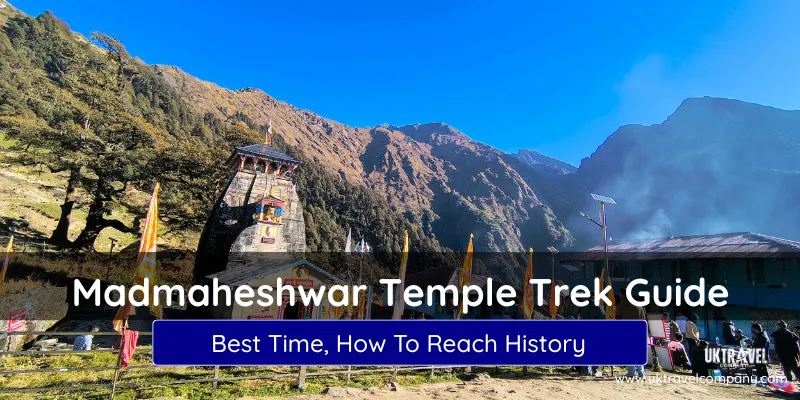
Nestled deep within the Garhwal Himalayas, the sacred Madmaheshwar Temple stands as a symbol of devotion, serenity, and natural wonder. Located in the Rudraprayag district of Uttarakhand, this ancient Shiva temple is the fourth shrine in the Panch Kedar pilgrimage and attracts trekkers, spiritual seekers, and nature lovers from across India and abroad.
The journey to Madmaheshwar temple is not just a trek; it is an experience woven with mythology, snow-clad peaks, lush meadows, dense forests, and timeless Himalayan culture. Whether you’re planning a pilgrimage or an adventure trip, this detailed Madmaheshwar Trek Guide covers everything you need to know, including its history, trekking route, itinerary, how to reach, difficulty level, permits, accommodation, and best time to visit.
Historical & Mythological Significance of Madmaheshwar Temple
The Madmaheshwar Temple holds immense religious value in Hindu mythology. According to the legends of Panch Kedar, after the Kurukshetra war, the Pandavas sought Lord Shiva’s forgiveness for the sins committed during the battle. Shiva, avoiding them, took the form of a bull (Nandi) and disappeared into the ground at Kedarnath.
Different parts of his body reappeared at five places in Uttarakhand, forming the Panch Kedar Temples:
- Kedarnath – Hump
- Tungnath – Arms
- Rudranath – Face
- Madmaheshwar – Navel (Madhya)
- Kalpeshwar – Hair Locks
At Madmaheshwar, the navel and torso of Lord Shiva are worshipped, symbolising the centre of divine power.
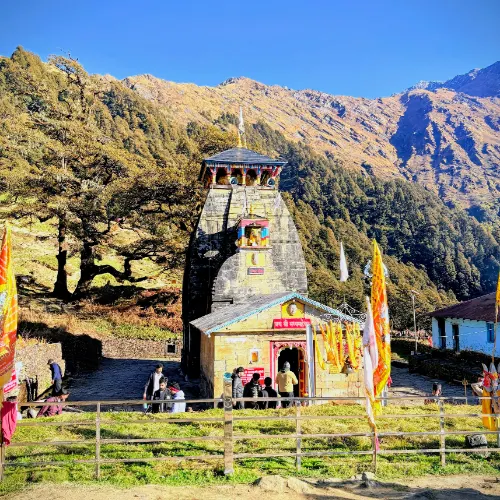
The temple architecture follows the traditional North Indian Himalayan style, built using black stone. The sanctum houses a Shiva Lingam that remains partially submerged in water during certain months. A smaller, older temple stands next to it, believed to be thousands of years old.
Overview of the Madmaheshwar Trek
The trek to Madmaheshwar is a beautiful blend of dense forests, cascading waterfalls, terraced fields, quaint Himalayan villages, and alpine meadows. It is considered moderate in difficulty, making it suitable for beginners and intermediate trekkers with reasonable fitness.
Key Trek Highlights
- Trek distance: 16–20 km
- Altitude: 3,497 meters (11,473 ft)
- Duration: 4–5 days
- Difficulty Level: Moderate
- Ideal for: Pilgrims, trekkers, nature photographers
- Special attraction: Buda Madmaheshwar, a stunning viewpoint for snow peaks
Major Peaks Visible
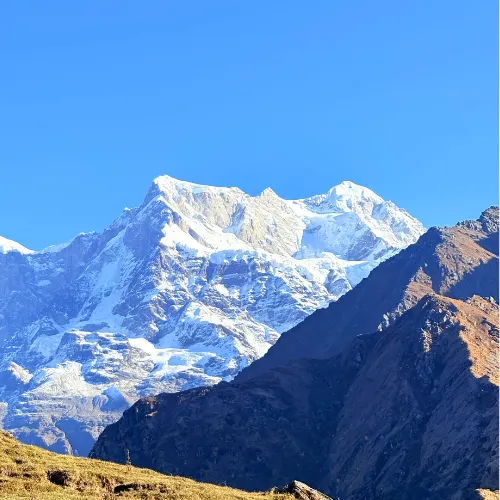
- Chaukhamba Massif
- Kedarnath Peaks
- Mandani & Neelkanth Peaks
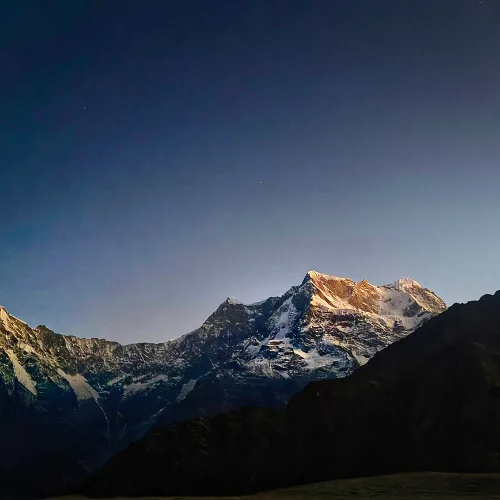
This trek offers one of the most rewarding sunrise views in the Himalayas.
Madmaheshwar Trek Route – Step-by-Step Guide
The trek begins from Ransi Village, the final motorable point. Many travellers stay in Ukhimath or Guptkashi before moving to Ransi.
| Day | Route / Activity | Details |
|---|---|---|
| Day 1 | Rishikesh/Haridwar → Ukhimath → Ransi | Scenic drive via Devprayag & Rudraprayag. Overnight stay in Ransi. |
| Day 2 | Ransi → Gaundhar → Bantoli | 7–8 km trek through forests, waterfalls & village paths. Stay in Bantoli. |
| Day 3 | Bantoli → Khatara → Nanu → Madmaheshwar | 10–11 km steep but beautiful trail. Temple visit. Stay at Madmaheshwar. |
| Day 4 | Buda Madmaheshwar Excursion | Short 2–3 km trek to the best sunrise viewpoint. Return to Madmaheshwar. |
| Day 5 | Madmaheshwar → Ransi → Haridwar/Rishikesh | Descend back and drive towards your onward destination. |
How to Reach Madmaheshwar Base (Ransi)
Reaching Ransi, the base village for the Madmaheshwar Temple Trek, is easy and well-connected through Rishikesh, Ukhimath, and Rudraprayag. Whether you’re travelling by road, rail, or air, several options make the journey smooth and accessible for trekkers.
By Road
- From Delhi: 450 km
- From Rishikesh: 210 km
- From Ukhimath: 25 km
Regular buses and taxis operate from Rishikesh & Haridwar.
By Train
- Haridwar Junction
- Rishikesh Railway Station
By Air
- Jolly Grant Airport, Dehradun (220–230 km)
Madmaheshwar Temple Trek Photo Gallery
Best Time to Visit Madmaheshwar
Choosing the right season is essential for a safe and enjoyable Madmaheshwar Trek. Weather conditions in the Garhwal Himalayas change quickly, and each season offers a different experience. From pleasant summer days to crystal-clear autumn views, the best time to visit Madmaheshwar depends on what kind of journey you want. Here’s a quick guide to help you plan the perfect trip.
The temple opens from May to November, offering different seasonal experiences.
Summer (May–June)
- Pleasant weather
- Ideal for beginners
Monsoon (July–September)
- Highly scenic
- Trails slippery—ideal for experienced trekkers only
Autumn (October–November)
- Best mountain visibility
- Perfect for photography
Winter (December–April)
Temple remains closed; idol shifts to Ukhimath Omkareshwar Temple.
Trek Difficulty & Fitness Requirements
The Madmaheshwar Trek is moderate and suitable for anyone with decent fitness.
Recommended fitness preparation:
- 30 minutes daily walking/jogging
- Basic stretching
- Breathing exercises
Accommodation & Food on the Trek
Accommodation on the Madmaheshwar Trek is simple and homely, with basic guesthouses and local homestays available along the route. Food is freshly cooked, mainly vegetarian, and offered by local families or small lodges. Trekkers can expect clean rooms, warm meals, and genuine Garhwali hospitality throughout the journey.
Stays
- GMVN guest houses
- Local homestays in Ransi, Gaundhar, Bantoli, Madmaheshwar
Food
Expect fresh Garhwali dishes:
- Dal, rice, sabzi
- Parathas, tea
- Simple vegetarian meals
Essential Permits & Trekking Tips
Permits
No special permit needed currently, but registration at Ransi check post may be required.
Packing Checklist
- Trekking shoes
- Thermals & jacket
- Rainwear
- Trek pole
- 1 L water bottle
- Power bank
- Sunscreen, sunglasses
- Medicines
Safety Tips
- Start early
- Stay hydrated
- Respect local culture
- Avoid littering
Why You Should Visit Madmaheshwar at Least Once
Madmaheshwar offers a rare blend of:
- Mythology
- Adventure
- Spiritual energy
- Himalayan scenery
- Local culture
The trek is rewarding, peaceful, and soul-refreshing, especially the sunrise from Buda Madmaheshwar, which is considered one of Uttarakhand’s finest viewpoints.
Conclusion
The Madmaheshwar Temple Trek is an extraordinary Himalayan journey perfect for pilgrims and trekkers alike. From its mythological significance to its breathtaking trails, warm hospitality, and pristine environment, Madmaheshwar stands out as one of Uttarakhand’s most spiritually uplifting destinations.
Prepare well, choose the right season, and embrace the serene mountains, and the memories will stay with you forever.
Madmaheshwar Temple Trek – FAQs
What is the best time to visit Madmaheshwar Temple?
The best time to visit Madmaheshwar is May to June and October to November. These months offer pleasant weather, clear mountain views, and safe trekking conditions.
How difficult is the Madmaheshwar Trek?
The Madmaheshwar Trek is moderate. Anyone with basic fitness and the ability to walk 8–10 km per day can comfortably complete it.
Where does the Madmaheshwar Trek start?
The trek starts from Ransi Village, located near Ukhimath. It is the last motorable point before the trekking trail begins.
How many days are required for the Madmaheshwar Trek?
Usually, 4–5 days are enough, including travel, trekking, temple visit, and the Buda Madmaheshwar viewpoint excursion.
Is accommodation available near Madmaheshwar Temple?
Yes, accommodation is available in the form of GMVN guesthouses, simple homestays, and lodges in Ransi, Gaundhar, Bantoli, and Madmaheshwar.
Does the Madmaheshwar Temple remain open in winter?
No. The temple closes in winter (December to April) due to snowfall. The idol is moved to Omkareshwar Temple in Ukhimath for worship.


