
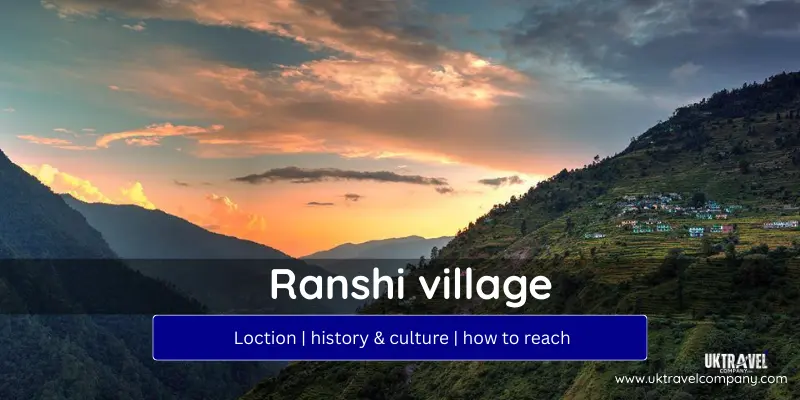
Ransi village is a tranquil Himalayan hamlet located in the Rudraprayag district of Uttarakhand. Nestled amidst dense forests, terraced fields, and magnificent snow-capped peaks, Ransi is best known as the starting point for the Madhyamaheshwar Temple trek, one of the sacred Panch Kedar pilgrimage routes dedicated to Lord Shiva.
This comprehensive travel guide covers the location, history, culture, trekking information, best time to visit, accommodation options, and frequently asked questions, making it perfect for pilgrims, trekkers, nature lovers, and travel bloggers.
Where Is Ransi Village Located?
Ransi Village lies in Ukhimath Rudraprayag district, in the Garhwal Himalayas of Uttarakhand.
- Location highlights: Distance from Ukhimath: ~9 km
- Distance from Rudraprayag: ~43 km
- Nearest towns: Ukhimath, Guptkashi
- River basin: Mandakini Valley
- Ranshi is the last motorable village and serves as the official base village for the Madhyamaheshwar trek.
Climate & Best Time to Visit Ransi Village
Ransi experiences a typical cool Himalayan climate throughout the year.
Seasonal Overview:
- Monsoon (July–September): Lush greenery but prone to landslides
- Winter (October–March): Very cold with snowfall, limited accessibility
- Summer (April–June): Pleasant weather, ideal for trekking and village exploration
Best time to visit
May to June and September to October
Historical & Spiritual Significance
Ransi Village holds immense spiritual importance due to its close association with the Panch Kedar temples, believed to date back to the Mahabharata era.
According to legend, the Pandavas built the Panch Kedar temples to seek forgiveness from Lord Shiva after the Kurukshetra war. Over time, Ransi evolved as a base village for pilgrims travelling to Madhyamaheshwar Temple, preserving its traditional lifestyle and spiritual essence.
Population & Local Life
- Ransi is a small, peaceful Garhwali village known for its simplicity and community bonding.Community: Garhwali Hindus
- Languages spoken: Garhwali, Hindi
- Lifestyle: Agriculture-based, nature-oriented
Festivals like Diwali, Holi, Makar Sankranti, and local fairs are celebrated collectively, strengthening social and cultural ties.
Culture, Traditions & Local Food
Ransi Village beautifully reflects authentic Garhwali culture rooted in nature and devotion.
Traditional Clothing
Woolen clothes, shawls, and caps (especially in winter)
Local Cuisine
- Mandua (finger millet) roti
- Gahat ki dal
- Chainsoo
- Seasonal vegetables grown locally
Folk Arts
Traditional dances such as Jhumelo and Choliya, accompanied by folk music, are performed during festivals and weddings.
Occupation & Village Economy
The main sources of livelihood in Ransi Village include:
- Agriculture: Potatoes, millets, beans, apples
- Animal husbandry: Sheep and goats
- Tourism: Homestays, trekking guides, mule services
With increasing pilgrim and trekking footfall, eco-tourism has become an important income source for local families.
Education, Health & Connectivity
- Schools: Primary school in the village; higher education in Ukhimath
- Healthcare: Health sub-centers; district hospitals for emergencies
- Road connectivity: Well-connected by motorable roads
- Transport: Shared jeeps and buses available from Ukhimath & Rudraprayag
- Utilities: Electricity and water supply via government schemes
Natural Beauty & Wildlife
Ransi Village is surrounded by stunning Himalayan landscapes:
- Terraced green fields
- Views of peaks like Chaukhamba
Wildlife commonly seen includes birds, monkeys, and occasional leopards. Nature plays a vital role in village folklore and daily life.
Madhyamaheshwar Trek – Starting from Ransi Village
The Madhyamaheshwar Temple trek begins from Ransi and is considered one of the most scenic treks in Uttarakhand.
Trek Highlights:
- Alpine meadows
- Dense forest trails
- Mountain streams
- Panoramic Himalayan views
The trek offers a perfect blend of spiritual fulfillment and natural beauty, attracting pilgrims and adventure seekers alike.
Challenges & Development
Like many Himalayan villages, Ransi faces challenges such as:
- Harsh winters
- Limited local employment
- Youth migration
- Occasional landslides
However, government initiatives like rural road development, homestay schemes, and sustainable tourism programs are gradually improving living standards while preserving the environment.
Why Visit Ransi Village?
Ranshi (Ransi) Village is a place you visit when you want to slow down and truly feel the mountains. Tucked away in the Garhwal Himalayas of Uttarakhand, this quiet village is best known as the starting point of the sacred Madhyamaheshwar trek, but its charm goes far beyond that. Life here is simple and peaceful, surrounded by green fields, forests, and distant snow-covered peaks. The warm smiles of the villagers, traditional Garhwali food, and calm village routine make you feel connected to nature and culture at the same time. Whether you are a pilgrim, a trekker, or someone looking for silence and fresh mountain air, Ranshi Village offers a genuine Himalayan experience that feels real, comforting, and unforgettable.
Ransi Village is perfect for travelers seeking slow travel, spirituality, and raw Himalayan beauty.
Conclusion
Ransi Village is a hidden gem of Uttarakhand where ancient traditions, spiritual energy, and breathtaking Himalayan landscapes come together. Whether you are a pilgrim heading to Madhyamaheshwar, a trekker, or a traveler seeking peace in the mountains, Ransi offers a truly unforgettable experience.
With growing eco-tourism and strong community participation, Ransi Village is preserving its soul while embracing a sustainable future.
How to reach ransi village
| Travel Mode | Nearest Point | Route & Details | Approx. Distance / Time |
|---|---|---|---|
| By Road | Guptkashi / Ukhimath | Regular buses and shared taxis are available from Rishikesh, Haridwar, and Dehradun up to Guptkashi or Ukhimath. From there, hire a local taxi to Ransi Village. Roads are scenic but mountainous. | Rishikesh to Ransi: ~225 km / 9–10 hrs |
| By Train | Rishikesh Railway Station | Rishikesh is the nearest railhead, connected to major cities like Delhi and Haridwar. From the station, continue the journey by road via Rudraprayag and Ukhimath to reach Ransi Village. | Rishikesh to Ransi by road: ~9–10 hrs |
| By Air | Jolly Grant Airport, Dehradun | Jolly Grant Airport has regular flights from Delhi. From the airport, hire a taxi or take a bus to reach Ransi Village via Rishikesh – Rudraprayag – Ukhimath. | Jolly Grant Airport to ransi: 245 km / 7–8 hrs |
| Last Road Stretch | Ukhimath to Ransi | This is the final motorable road. Local taxis are easily available. The drive passes through peaceful villages and forested hills. | 45 km / 2 hrs |
Travel Tip
Start your journey early in the morning to avoid landslides and traffic delays. During monsoon season, always check road conditions before traveling to Ransi Village.
Frequently Asked Questions (FAQs)
Q1. Is Ransi Village the starting point of the Madhyamaheshwar trek?
Yes, Ransi Village is the official starting point of the Madhyamaheshwar Temple trek.
Q2. How can I reach Ransi Village?
You can reach Ransi by road via Rudraprayag – Ukhimath – Ransi. Shared jeeps are available.
Q3. Are homestays available in Ransi Village?
Yes, several local homestays provide basic, clean, and comfortable accommodation.
Q4. Is Ransi Village safe for tourists?
Yes, Ransi is generally safe and welcoming. Travelers should follow weather updates and trekking advisories.
Q5. What is Ransi Village famous for?
Ransi Village is famous for the Madhyamaheshwar trek, Garhwali culture, and pristine Himalayan scenery.

