The Panch Kedar Yatra is one of the most sacred and spiritually profound pilgrimages in Uttarakhand, deeply rooted in Hindu mythology and the worship of Lord Shiva. This holy journey leads devotees through the remote and majestic Garhwal Himalayas, where the five revered shrines of Shiva Kedarnath, Tungnath, Rudranath, Madhyamaheshwar, and Kalpeshwar are located.
Unlike popular pilgrimages, the Panch Kedar Yatra is not just about visiting temples. It is a transformational journey of faith, endurance, devotion, and self-discovery, offering silence, simplicity, and a deep connection with nature and the divine.
The Panch Kedar Yatra is one of the most spiritually significant pilgrimages in Uttarakhand, deeply rooted in the sacred geography of the Kedar Khand (केदार खण्ड). This holy journey is dedicated to Lord Shiva and takes devotees to the five revered Panch Kedar temples Kedarnath, Tungnath, Rudranath, Madhyamaheshwar, and Kalpeshwar, all located in the remote and powerful Himalayan region traditionally known as Kedar Khand.
Many pilgrims ask, What is Panch Kedar Yatra and why is it so important?
The answer lies in its powerful connection to Hindu mythology, its remote temple locations, and the spiritual discipline required to complete the journey. The Panch Kedar temples are believed to be the places where different parts of Lord Shiva appeared after he disappeared into the earth to avoid the Pandavas following the Mahabharata war. Completing this yatra is considered an act of deep penance and devotion.
The Panch Kedar Yatra is not a quick temple visit. It involves high-altitude travel, scenic treks, and simple living in the Himalayas. Pilgrims walk through alpine meadows, dense forests, remote villages, and sacred river valleys. This slow and mindful journey allows devotees to disconnect from daily life and reconnect with faith, nature, and inner peace.
One of the most unique aspects of the Panch Kedar Yatra is that each temple represents a distinct form of Lord Shiva, offering a comprehensive spiritual journey. Kedarnath represents strength and forgiveness, Tungnath symbolises energy and balance, Rudranath reflects introspection, Madhyamaheshwar signifies inner calm, and Kalpeshwar represents continuity, as it remains open throughout the year.
Unlike the Char Dham Yatra, which is largely road-based, the Panch Kedar pilgrimage requires physical effort and mental preparation. This effort is what makes the yatra special. Many devotees believe that the hardships faced during the journey cleanse past karma and bring long-lasting spiritual clarity.
The Panch Kedar Yatra is ideal for:
- Devotees of Lord Shiva
- Spiritual seekers looking for peace and silence
- Pilgrims interested in Himalayan temple journeys
- Travellers seeking a meaningful blend of faith and adventure
Today, the yatra is undertaken either independently or through a Panch Kedar Yatra package, which helps pilgrims manage travel, accommodation, and safety in remote regions. With proper planning, guidance, and respect for nature, the Panch Kedar Yatra becomes a once-in-a-lifetime spiritual journey. In essence, the Panch Kedar Yatra is not just about reaching temples; it is about the journey itself. The mountains test patience, the paths build strength, and the temples offer peace. For those who complete it with devotion, the Panch Kedar Yatra leaves a lasting impact on the heart, mind, and soul.
Sequence of Panch Kedar
Many pilgrims ask, what is the correct sequence of Panch Kedar Yatra?
Following the traditional sequence is important because it aligns with religious beliefs, geographical flow, and spiritual progression within the sacred land of Kedar Khand.
According to tradition, the Panch Kedar Yatra should be completed in a specific order, beginning with Kedarnath and ending at Kalpeshwar. This sequence reflects the order in which the Pandavas are believed to have encountered the manifestations of Lord Shiva.
Traditional Sequence of Panch Kedar
- Kedarnath
- Tungnath
- Rudranath
- Madhyamaheshwar
- Kalpeshwar
Completing the yatra in this order is considered spiritually complete and highly auspicious.
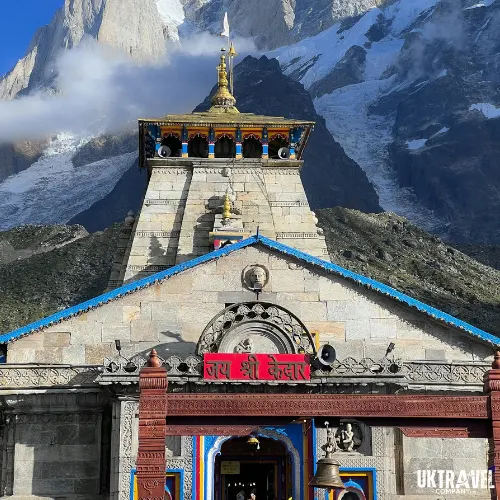
1. Kedarnath – The Starting Point of Panch Kedar
The Panch Kedar Yatra traditionally begins at Kedarnath, where the hump of Lord Shiva is worshipped. Kedarnath is the most prominent shrine in Kedar Khand and also one of the twelve Jyotirlingas. Starting the yatra here symbolises seeking forgiveness and divine permission to continue the sacred journey.
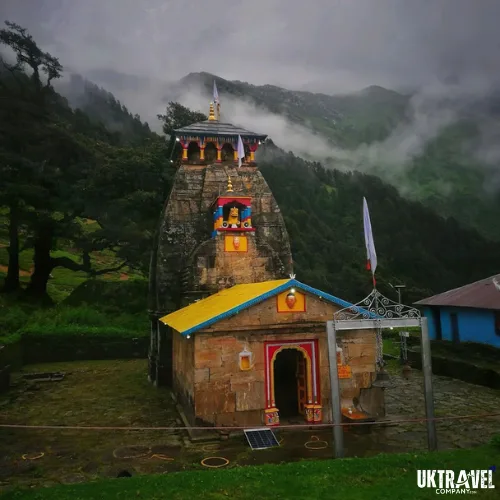
2. Tungnath – The Second Kedar
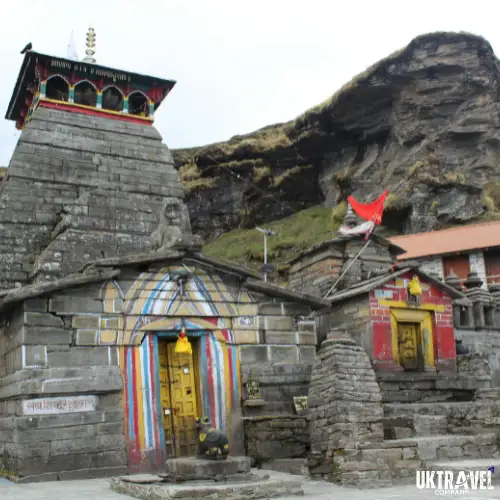
After Kedarnath, pilgrims proceed to Tungnath, where the arms of Lord Shiva are believed to have appeared. Tungnath is the highest Shiva temple in the world and represents spiritual strength and balance. The relatively short trek makes it an important transitional step in the yatra.
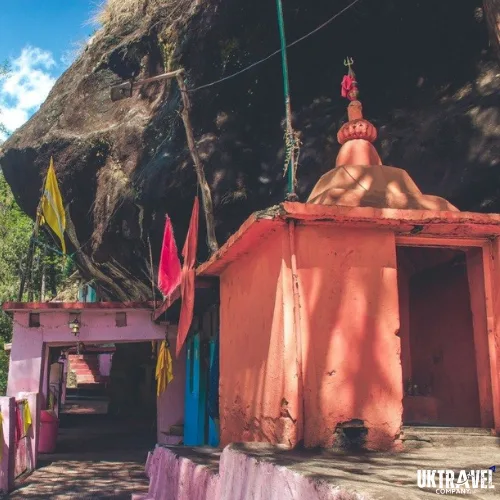
3. Rudranath – The Third and Most Mystical Kedar
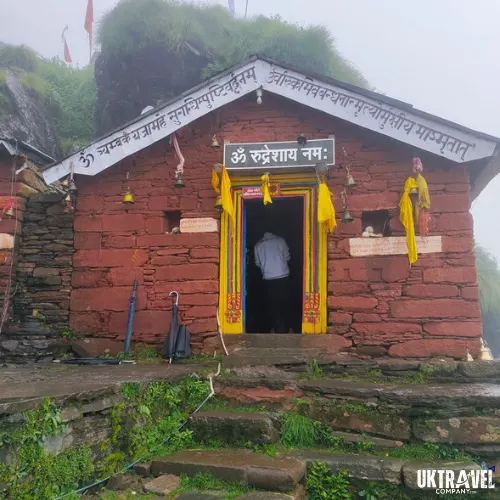
The next destination is Rudranath, where the face of Lord Shiva is worshipped. Rudranath is considered the most remote and spiritually intense temple of the Panch Kedar. Reaching here symbolises truth, self-reflection, and inner awakening, making it a crucial stage in the spiritual journey.
4. Madhyamaheshwar – The Fourth Kedar
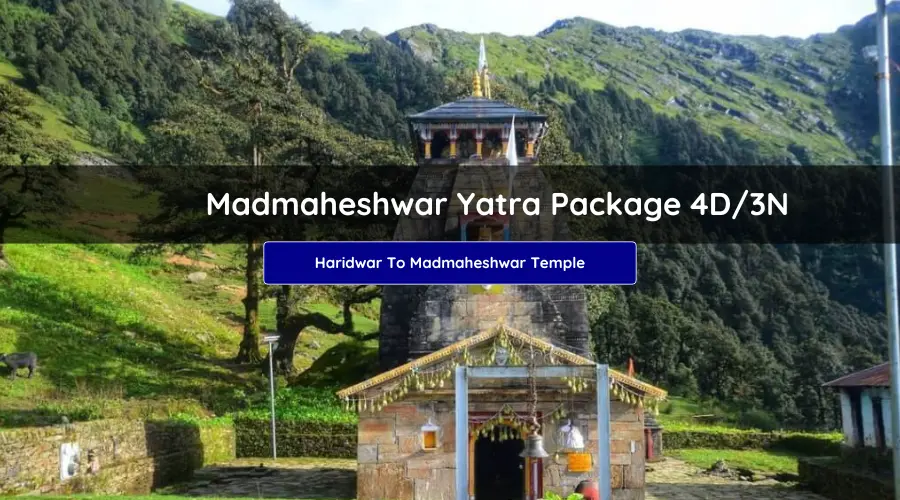
After Rudranath, pilgrims visit Madhyamaheshwar, where the navel (madhya) of Lord Shiva appeared. This temple represents inner peace and emotional stability. Surrounded by serene Himalayan landscapes, Madhyamaheshwar allows pilgrims to slow down and deepen their spiritual connection.
5. Kalpeshwar – The Final Kedar
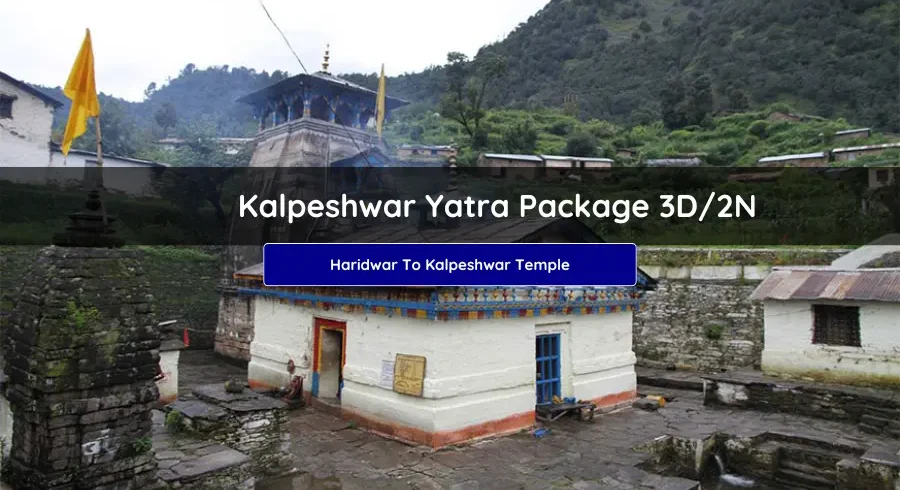
The Panch Kedar Yatra concludes at Kalpeshwar, where the hair (jata) of Lord Shiva is worshipped. Kalpeshwar holds special importance because it is the only Panch Kedar temple open throughout the year. Ending the yatra here symbolises completion, continuity, and eternal devotion.
Why Following the Sequence Matters
- Maintains religious and mythological authenticity
- Aligns with the natural geographical route of Kedar Khand
- Helps pilgrims physically and spiritually progress step by step
- Considered essential for attaining full spiritual merit of the yatra
Can the Sequence Be Changed?
While the traditional sequence is highly recommended, some pilgrims may alter the order due to weather conditions, road access, or physical limitations. However, devotees believe that completing all five temples, preferably in sequence, brings the greatest spiritual fulfilment.
Final Note
The sequence of Panch Kedar Yatra is not just a travel plan; it is a spiritual path through Kedar Khand (केदार खण्ड), guiding pilgrims from forgiveness to strength, truth, peace, and finally, divine completion. Following this sacred order helps devotees experience the true essence of the Panch Kedar pilgrimage.
Since the Panch Kedar temples are located in high-altitude Himalayan terrain, they remain closed in winter due to heavy snowfall. Except for Kalpeshwar, which stays open year-round, all other temples open in late spring and remain accessible till autumn.
| Temple | Opening date 2026 |
| Kedarnath temple | 22 April 2026 |
| Tungnath temple | Expected on 18 May 2026 |
| Madhyamaheshwar Temple | Around 20 May 2026 |
| Rudranath temple | Mid late 18 May 2026 |
| Kalpeswar temple | Open all year round |
Note: Final dates are based on weather conditions, ritual calendars, and temple authorities and are typically announced officially a few weeks before the season begins.
Panch Kedar Closing Dates 2026 (Expected)
Just as the temples open in spring, they close for winter in autumn to protect the sacred shrines from heavy snow and harsh Himalayan weather. The exact closing dates vary each year and depend on local conditions and religious calendars
| Temple | Closing date 2026 |
| Kedarnath temple | Late October 2026 |
| Tungnath temple | Early November 2026 |
| Madhyamaheswar temple | Mid-late November 2026 |
| Rudranath temple | Late October 2026 |
| Kalpeswar temple | Open year-round |
Note – Devotees planning the yatra should check announcements from official temple committees closer to the season.
-
Home Stays & Camps
-
As Per Requirement
-
Haridwar, Rishikesh, D. Dun
-
April-June, Sep- October
-
Breakfast, Dinner, Lunch
-
Hindi, English
-
Trek Guide
-
15
-
70
Itinerary Of Panch Kedar Yatra Package From Haridwar
This Panch Kedar Yatra & Trek itinerary is a 12-day road trip + trekking journey in the Garhwal Himalayas, starting and ending at Haridwar.
In this itinerary, travelers will visit all five Panch Kedar temples of Lord Shiva - Kalpeshwar, Rudranath, Tungnath, Madhmaheshwar, and Kedarnathby following the traditional pilgrimage route.
Distance: ~275 km | Drive: 10–11 hrs
The journey begins early morning from Haridwar, where the Ganga flows calmly after descending from the Himalayas. As you leave the city behind, plains slowly turn into mountains.
On the way, you witness the first major spiritual stop Devprayag, where Alaknanda and Bhagirathi rivers meet to form the holy Ganga. The sight of two different colored rivers merging is unforgettable.
Driving further along the Alaknanda River, you pass Rudraprayag and Karnaprayag, each holding mythological importance. The road winds through deep valleys, hanging bridges, waterfalls, and small mountain towns.
By evening, you reach Joshimath, surrounded by high peaks and ancient temples.
Night stay amid cool mountain air prepares you for the sacred days ahead.
Drive: ~45 km | Walk: Short temple walk
After breakfast, we drive towards Urgam Valley, a peaceful valley surrounded by dense forests. From Urgam village, a short and easy walk leads to Kalpeshwar Temple.
Kalpeshwar is special because Lord Shiva’s matted hair (Jata) is worshipped here, and this temple is accessible throughout the year.
After darshan, we continue our drive to Sagar Village, the base village for the Rudranath trek.
Overnight stay: Guesthouse/Homestay in Sagar.
Trek: ~12 km | Duration: 6–7 hrs
Today, roads end and your feet become the vehicle. The trek starts through dense forests of oak and rhododendron. Bird sounds, fresh air, and distant mountain views accompany you.
Soon, the forest opens into Pung Bugyal. a wide green meadow where shepherds once grazed their sheep. After a short rest, the trail climbs gently to Panar Bugyal.
Here, the land feels endless, rolling grasslands, clouds floating close, and complete silence.
Camping under the stars at Panar Bugyal feels like sleeping in nature’s lap.
Trek: ~7 km | Duration: 4–5 hrs
As morning light touches the meadows, the trail leads towards rocky ridges and sacred land. After a few hours, you finally reach Rudranath Temple.
This temple is unique Lord Shiva’s face is worshipped here, surrounded by natural stone formations and high Himalayan walls. The place feels powerful yet peaceful.
Spend time sitting quietly; many pilgrims say Rudranath is where the mind naturally becomes calm.
Night stay near the temple under a sky full of stars.
Trek: ~7 km | Drive: ~90 km
After early darshan, you retrace your steps back to Sagar village. From here, a scenic drive takes you to Chopta.
Chopta welcomes you with open grasslands, pine forests, and cool breeze. Snow peaks often appear suddenly between clouds.
This place feels like a natural meditation ground.
Trek: ~6 km | Duration: 5–6 hrs
The trail today is famous and divine. Walking through green slopes, you reach Tungnath Temple, the highest Shiva temple in the world, where Lord Shiva’s arms are worshipped.
Those with energy continue to Chandrashila Peak. From the top, the Himalayas stand before you in all directions, a moment that stays forever in memory.
Return to Chopta by evening.
Drive: ~120 km | Trek: ~5 km
A long scenic drive brings you to Ransi Village, from where the trek begins. Walking through forest paths, you reach Gaundhar Village.
Stone houses, smiling locals, and flowing streams make Gaundhar feel like a living postcard.
Night stay in village homestay connects you to real mountain life.
Trek: ~12 km | Duration: 6–7 hrs
The trail follows waterfalls and mountain streams. Slowly, the valley opens and Madhmaheshwar Temple appears majestic and calm.
Here, Lord Shiva’s navel is worshipped. The temple stands quietly amid towering peaks.
Evening aarti here feels deeply personal and emotional.
Trek: ~12 km | Drive: ~45 km
After morning prayers, you trek back to Ransi and drive to Guptkashi, a town rich in Shiva legends and ancient temples.
Drive + Trek: ~30 km drive + 16 km trek (or helicopter optional)
From Guptkashi, you reach Gaurikund and begin the sacred trek to Kedarnath Temple.
As the temple appears against snow-covered peaks, emotions take over. This is the heart of Panch Kedar.
Evening darshan and aarti complete the spiritual circle.
Morning darshan, followed by a return trek and drive to Guptkashi. The journey feels lighter both physically and spiritually.
Distance: ~205 km | Drive: 8–9 hrs
Driving back to Haridwar, rivers and mountains slowly fade, but the peace and devotion stay within.
The Panch Kedar Yatra ends, but its impact stays lifelong.